Thursday, August 26, 2010

Characteristics Of A Golden Retriever


The Golden Retriever is an exceptionally beautiful large and highly energetic dog. It is also known as one of the world's best family dog breeds. They do well as bird hunting dogs as well as serve as police helpers, a guide for the visually impaired, therapy do and assist as a service dog for the disabled.

These dogs are one of the friendliest and most useful dogs in the world due to their desire and eagerness to please as well as their capacity to love and trainability. They have also been ranked as 4 out of 79 recognized breeds for their working intelligence and obedience. Golden Retrievers are quite calm as well as responsive and affectionate, although they don't make outstanding watch dogs due to their over trusting nature and lack of suspicion of strangers.

They are quite difficult to match against any other breed in the world, which is why they are such a popular pet.

Their general appearance is beautiful, strong, well proportioned body. Their coat is medium in length with a feathery feel; they are generally cream to golden in color, with part of their coat water resistant. They have a strong broad shaped head and a powerful muzzle. Soft brown eyes with dark rims and pendant shaped ears, their muscular neck and thighs as well as broad chest map out their characteristic physic.

Golden Retrievers are such well behaved, lovable, intelligent pets with a lot of charm. They are loyal and quite confident, gentle and eager to please their owners. Although they are very active they do make the ideal family pet. They enjoy spending time with people and love training as a chance to spend more time with you and have excelled in many obedience competitions.

They are happiest when they around people but if isolated they may become mischievous and can cause a bit of chaos by tearing up things around the house. But they do make tremendous companions for people of all ages and are the easiest dog to train. They are very people orientated and will enjoy spending time with someone everyday.

Ideally, Golden Retrievers need regular exercises and prefer large backyards to play and move about it. They love playing games with balls, and sticks so really, exercise for them should be fairly easy. Without adequate exercise they can become difficult in their behavior within the home.

While they are easily trained and exceptionally patient and gentle with children, supervision is a must with a young child due to the dog's uncontrollable excitement can bump young children over without meaning too. They are friendly to anyone they meet including other dogs and family pets but have limited guard dog instincts, although will bark as a form of greeting that is sometimes intimidating.

Although like other dogs they have their fair share of health issues from hip dysplasia and cataract opacity they do generally live a fairly good life span of about 14 years. With a healthy diet and exercise they will live a fulfilling life when spending time with their family, they will give many years of companionship.

Lea Mullins, a long time dog owner, provides information on characteristics of a Golden Retriever. Visit TrainPetDog.com to learn about dog breeds.
Friday, August 13, 2010

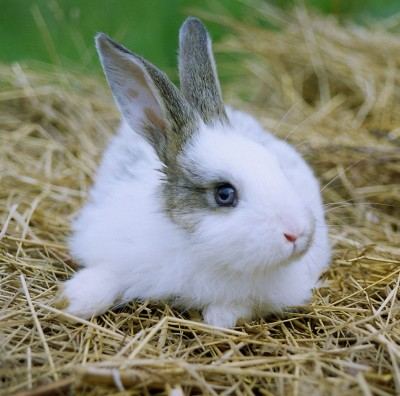
Pet Training - How to Train Your Rabbit


Owners must accept that rabbits will instinctively exhibit behaviors that you may not like but are second nature for your rabbit such as, chewing furniture, digging up the carpet and marking the floor. This behavior is rare but does occur.

If your rabbit is chewing furniture consider purchasing a special spray to deter them from chewing. These are sold at all pet stores and shops such as Wal-Mart and Target. Also, be sure to provide your bunny with plenty of chew toys which you can purchase at the pet store. I like to cover the areas they like to dig with a bath mat or another large object to cover the area.

Rabbits have the urge to mark their territory with urine and certain fecal pellets. If you spay/neuter your pet this will eliminate this desire and will prevent the risk of ovarian cancer and unwanted pregnancy. To train your rabbit to use a litter box, make sure you pick a one that is the right size for the bunny. A tiny bunny will not want to use a gigantic litter box and a large rabbit will not enjoy using a litter box designed for a small bunny. Place the litter box in a corner in a private place that is quiet and will be relaxing for the bunny to use. It helps to put several poops in the litter box so they know that it is the designated area for them to relieve themselves

Rabbits respond extremely well to rewards so giving them treats for a job well done is the best thing you can do to train your rabbit. They do not respond when they are yelled at or hit and do not understand why they are being punished. Reward your bunny every time they do something great by giving them a treat. Immediately give them a treat as soon as they do the good behavior and be consistent. Make sure that your bunny knows why they are getting a treat. Make sure you use treats that your bunny loves because they will do anything possible to get that treat. My rabbits favorite treats are lettuce and pretzel treats designed especially for rabbits.

It takes time to train your rabbit and the best thing you can do is to devote at least thirty minutes a day of quality time to training. If you consistently train them each day you will see the results. Your bunny will respond more to you, you and your bunny will be closer and you will see quicker results.

How to Train Ferrets - Tips to Stop a Ferrets Biting


Admirable pets with abounding energy, ferrets are habitual nippers. A Ferret bite is painful as is its habit. Ferrets bite by habit and mostly when they are playful with their peers. So, once you acquire a pet ferret you need to train these little fellows quickly. Be patient with them as you would with any puppy and use a firm but gentle method to train them. If you are tired of ferrets biting you, follow these tips to train them.

Before you commence with training your pet ferret, determine why it bites. Perhaps the pet is injured and the wound has not healed yet. So when you cuddle, you could be disturbing the wound. And every time you pick him up, he bites to get free. Your quick reaction to free him makes the ferret to realize that if he bites, he can free himself.

Another reason your ferret could bite is when the environment is unsuitable and has nicotine smells, dust or alcohol smells which might irritate the pet. Furthermore, confining the ferret can be frustrating to their playful attitude, which they may vent through biting.

Stay firm and signal your pet a staunch `NO` when he bites. If he still bites, leave him and walk away from him. He will sense your resentment to biting and understand biting is not being tolerated. Resume playing when he calms down. Repeating this process will make him understand that he should not bite. If he does not reciprocate, put him in a cage whenever he bites and let him out only when he calms down. Repeat this process every time you get nipped. Since ferrets do not like being caged, he will respond.

As has been advised in the beginning, you need to be extremely patient in dealing with your pet ferret. If he does not respond soon, you may have to be more aggressive with him. Pick him up by the neck, nudge him, shake him, and call out a firm NO. A light tap on his nose will also help him understand. According to experts, you can spray a bitter tasting spray on the paws to discourage ferrets biting.

Finally, it is your love and commitments towards you ferret that will bring out an appropriate response. And do not forget to reward your pet with his favorite food every time that he obeys.

Wednesday, August 11, 2010

Top 10 Most Popular Types of Parrots


Parrots
are becoming more and more popular as pets in captivity. People love to train them and teach them tricks and to speak phrases. In the wild, these birds have been admired because of their beauty, intelligence, and outgoingness. They have similar characteristics as humans, as they replicate human words and sounds. Parrots have very childlike behavior and thinking, with some behavioral scientists demonstrating they have the intelligence and communication skills of a 3 year old. This is why these birds make fantastic companions and pets.

There are many kinds of parrot types in the animal kingdom with varieties based on size, shape, and feather colors. The following outlines the top 10 most popular types as pets and in the wild:

1.) Parakeets - Parakeet parrots are known by their long tails, and tend to be a more favored parrot type compared to the Cockatiel for example. Known as a small parrot, the parakeet has bright feather colors. Their behavior is typically energetic and they crave human interaction.

2.) Cockatiels - Cockatiels are smaller parrot types typically identified by their notable head and tail feathers. Males have great speaking abilities, while the female Cockatiels are quieter, but are more aggressive. The females also are more likely to bite and hiss. The Cockatiels are good pets in captivity, as they are very sociable and love to interact.

3.) Lorries & Lovebirds - These birds are from South America and have been an inspiration to many as they are extremely peaceful birds with bright feather colors. They do not require much space, are able to maintain great health, and love to be with other parrots.

4.) Conures - The Conures are more playful birds that are large parakeets, which have a slightly smaller build with longer tails. These parrots are from Central and South America, and have friendly personalities, sometimes leading to louder squawks.

5.) Macaws -These birds are mostly recognized for their large frame and bright rainbow colored feathers and beaks. Originating from the tropical regions of South and Central America, the macaw shows great intelligence with fantastic speaking abilities.

6.) Amazon -Also known as green parrots (since most have an overwhelming green feather color), Amazon parrots are very smart, talkative, and friendly. These parrots are easier to train than other parrots, and can duplicate the human voice of their owner.

7.) Cockatoo -Most known by their standing head crest and arched bills, these parrots types are larger than many other parrots but have less color in their feathers. These parrots are both friendly and talkative with frequent squawking and screaming.

8.) Caiuges - This parrot type is regarded as both smart and attractive in the parrot world. These parrots have an array of different feather colors, and have been referred to as the seven-colored parrot from their vast feather colors.

9.) Poicephalus Parrots -Originally from Africa, these birds are usually on the shy side but have endearing personalities. Ranging in size from small to medium, this parrot type demonstrates good and social behavioral traits.

10.) Parrotlets - These types are also known for their smaller size. With energetic, enjoyable, and courteous attributes, they can duplicate human voice and words, but are harder to understand. In the wild, these birds travel in flocks.

Parrots can be a fun and rewarding pet to own and care for. It is important to ensure your parrot receives proper training and love with much time devoted to their parrot. Remember this is a long term commitment, since parrots can live literally decades.

Parrot Feats


Ever wonder how parrots look so wise and lovable? This is because of their learned feats that parrot enthusiasts teach their pets. Teaching parrots how to acquire feats and traits are quite tricky. We do these to gain a play time with our pets and share wonderful experiences with them. It could also lessen some of the parrot's distasteful attitude sometimes.

As we do the teaching, we need to consider where we hold this important moment for our pets. The space needs to have a sense of restfulness in the air to gain the bird's undivided concentration to what we are teaching them. It would also be best for them to eliminate too much things that are not needed when teaching the bird some feats. As an enthusiast, be aware that you need a stress free environment and trusting relationship with your pets so that no bad effects would be produced in your parrot's experience of your teaching. You must also have a strong will to maintain your positiveness in teaching them feats.

A favored feat that parrots do is when they come forward to you. You need to say "step up" for them to do this. Give them a gift like a piece of food for good behavior once they follow your directions. This feat basically has rewarding outcomes when the parrot learns eventually, as well as for their breeders. In the case of small birds, you need to place your fingers in front of them to do this feat and entice them with a piece of food. As for the larger parrots, you need to place your arm in front of them or where they perch and hold out a gift as reward.

Once the parrot learns to come forward, how them how to turn in their place. These is done by holding out example, a fruit in front of them and simply go towards your pet's back for them to trail on the fruit with their eyes and give them a fruit or pellet as a reward for good behavior. Some pets easily trail on their back and grab the fruit with their beak while others need more convincing as it is for them do the feat. Now once, they accomplished this feat correctly give them food as a gift.

Do your parrots scream in the middle of the night which often bothers you? If they do you need to teach them the feat of talking. Talking could basically improve their well-being as your pets. Their vocal chords are exercised and they would be very playful with your and your family. You need to start them with some normal common words like, "hello" or "goodbye". Carefully say the word over and over again until you hear them make some kind of sound as a response. At times, family members are also encouraged to speak to the bird using the word you taught over and over for your parrot to learn that word naturally. In turn, your pet would adapt to the word and repeat them correctly.