Saturday, June 9, 2012

Tips in Keeping Aviary Finches in Great Shape


We're all too familiar with how great an expense investing in aviary finches can be. These finches require a lot of money, time and expertise to set up. If you've already done all that work so far, then you need to make sure that you protect your investment and make it last for as long as you can! In order to do that, you may have to learn how to keep your finches in top shape. Not only does it benefit you, the owner of these finches, but learning to maintain your finches will serve your feathered friends well too! After all, these finches are your finches' home, and you want them to have a happy one, right?
Maintaining aviary finches is easy, especially if you have a helpful guide. To help you get a head start, here are some great tips!
1. When building your aviary finches, make sure that the materials used are top grade- Otherwise, your finches aviary will not last for very long, and you will need to replace it again. Make sure that the wires that you select are strong and sturdy, and will not be easily bent. You may also want to coat these wires in a film that protects it against rust. 
2. Pay attention to where you place your aviary finches. Do remember that the elements can be your worst enemy when it comes to keeping your finches aviary in good shape. The rain can cause the wires to rust, and the sun can wear out the paint. To protect your finches against the elements, position it properly in your home. Make sure that it hardly gets wet in the rain, and is only exposed to the sun for a limited amount of time everyday. 
3. Lastly, always remember to check your aviary finches every once in a while for minor or major damages, or anything that needs to be repaired. Remember that minor damages will probably cost you less to repair, and you may not even need to spend for new finches. If you leave minor damage to get bigger, then you may have to replace your expensive cage altogether and you really want to avoid that if you can. 
Caring for your finches cage should be easy after these tips. We also advise you to use your common sense! If you think your finches' cage needs replacing for one reason or another, then go on and do it. You will see what your finches need best.

Want to Keep Him Healthy? What Do Parrots Eat for a Long, Happy Life?


How many times have you gone into your local pet store looking for pet care items and you are greeted by a whistle or simple "Hello there." You look around to return the nice gesture but cannot find the person that it came from. What you see is this beautiful bird staring at you and again you hear "hello there!" It came from the beautiful parrot in the cage next to you. You tell yourself that you want to take him home. But what must you buy for him? What do parrots eat? So many questions!
You are so taken by this little fellow that you spend the next 10 minutes talking to him forgetting just why you are there in the first place. Sound familiar? Wondering how much he costs to take home with you? Now that you've spent the next half hour talking to the salesperson about him and finalizing the purchase, you think that you are done. Nope! Not yet! He will need to eat once you get him home. But there are so many different bird foods in that aisle. There are seeds, peanuts and many different colorful pellets.
Although your parrot would probably eat many of the wide selection there, you must think about the health and wellness of your new friend if you want him to live to his full life expectancy. As you may have heard, parrot species can live anywhere from 10-80 years depending on which parrot type you choose. 
You will need to feed your parrot a variety of foods from the seed selections, pellet diet to fruits and vegetables. The different varieties of food available mostly have different ingredients that are essential to your parrot's good health. For example, a diet made up of only seeds does not give your parrot the proper nutrition needed to live long and healthy. 
The pellet food available is a more balanced diet that when added to the fruits and vegetables you will provide him will give him what he needs to be happy and healthy. You will choose the food that best suits your parrot's size and weight requirements. A parrot is a wonderful friend that can be a lifelong companion for you if you know how to properly care for and feed him so he can live to his full life expectancy. Taking the time to educate yourself on the basics of companion bird care before you actually go out and purchase one will only set you up for success and give your new family friend a head start to good health and a happy life.

Thursday, May 31, 2012

Get Your Goat!


So many people wish desperately to get back to the land...to get 'off-grid', to own animals that produce sustenance and to grow a garden for food. We dream of fresh vegetables, real milk and cheese and no electric bill! Visions of perfect rows of plants growing tomatoes and a peacefully grazing Jersey cow crowd our thoughts as we sit in rush-hour traffic.
The reality of that world is not clearly seen until you are in the middle of it. Vegetables do not always grow perfect fruit in a straight row. Off-grid power is certainly a developing area, but requires understanding and finances to acquire it. Cows can be very messy and are bigger than you may realize. They also do not always stay where you put them!
However the determination to try this lifestyle can win out and you find yourself with a hobby farmstead. One of the animals showing up more and more in hobby farms are GOATS! These adorable and endearing creatures can be fun to raise, they can also be a real headache if not prepared for. Getting a call at work by a distraught neighbor whose flower garden is now nothing but a patch of stems is not your goal.
To get your goat and enjoy her ownership requires some planning and knowledge. Fences - proper ones - are a must. You should have your fences at least 4' tall and of sturdy woven wire. Ridged panels can also be used. Fencing is one area you do NOT want to go cheap or 'good enough' since goat will test their boundaries. They will rub on the fence and climb on it. They just do!
Goats hate to get wet so be sure to include a shelter of some sort. It can be as simple as a three-sided shed with a roof for her to get into out of the weather or as elaborate as you want to have it. It should be warm enough for the winter months as well. Adding hay or straw on the floor will keep her out of the mud and on a warm, dry bed. It will need cleaned out every so often...use that old bedding on your garden! Your plants will love it.
Goats do not eat anything and everything. They need a proper diet of browse and fresh water. Browse includes things like brush, bushes, trees and such. They will walk, take a bite, walk, take another bite. They browse much like deer. They like fresh, clean browse and will chose that over grass. If you have them on a small lot without much browse you will need to provide them fresh hay in a feeder. If they pull hay out onto the ground, and they will, and they step on it they will not eat it! It is the same with their grain. If they are fed on the ground and it gets 'dirty' they will not eat it. They must also have fresh water every day.
Goats can survive in a small paddock but they will not thrive like they would if let out on pasture. Even an acre or two of browse or even grasses is preferable to a small lot. Do not ever tie your goat out! They can choke on their leash or be harassed and even killed by neighborhood dogs. When you tie her for milking, feeding or grooming be sure to stay with her and keep an eye on her.
Milking is easy enough to do by hand and is actually quite an enjoyable time for you to get to know your goat better. While milking you can inspect her for injuries, bumps and scrapes. You will want a milking stand and a dish for her to eat from while you milk. Use a stainless steel bucket to collect the milk in and be sure to keep everything clean before, during and after milking. Always clean and sterilize your bucket after use.
To get her milking you will need to have her bred. The farm you buy her from will be able to help you find a buck to breed her to. Then you get to enjoy one of the most amazing things ever...the birth of new life into the world! Those kids can be awfully cute! Before you know it you will have several goats in that area you fenced so be sure you think of that during it's construction.. The kids that she produces can be sold for profit..either as bottle babies or after they're weaned.
Getting your goat and bringing her home is a fun adventure. Be prepared and it will be enjoyable as well.

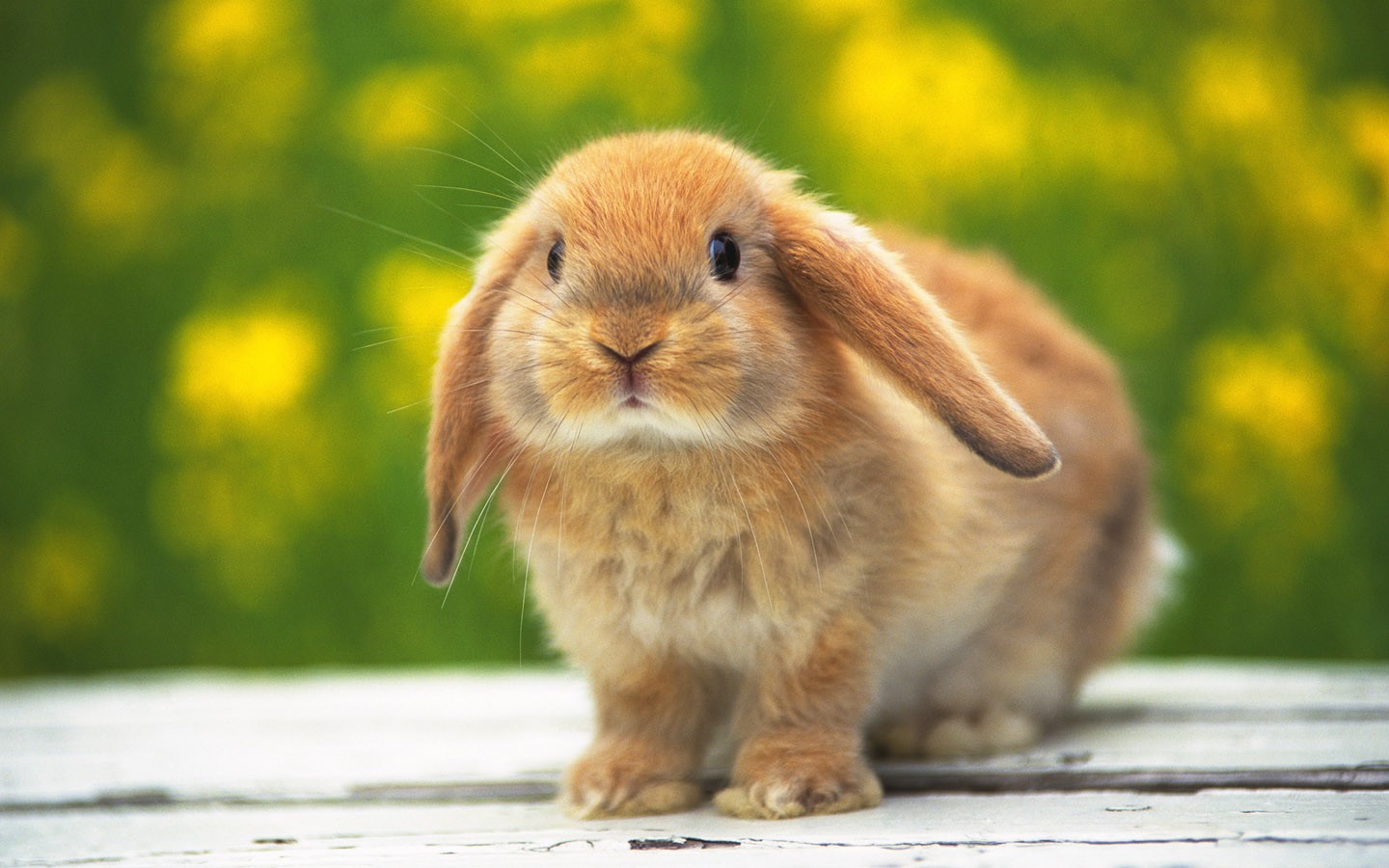
Best Rabbit Breeds For Kids - How to Choose Your First Pet


Best Rabbit Breeds for Kids
Children worldwide love to have pets and there are many benefits that parents may experience from raising their children with pets. It has been noted that pets help your child achieve a sense of responsibility and independence and effectively sets them on the right path towards becoming responsible and mature adults. Parents who have never had the pleasure of owning a pet themselves are encouraged to consider choosing one from the various rabbit breeds as available. Rabbits are famous for being very intelligent and are easy to train using simple positive reinforcement methods. In addition, rabbits are very social but mild-mannered animals and will not often bite or scratch. Furthermore, rabbits have a long lifespan of 10 years or more and will be a great pet for your kids through the ages of 3-12.
How to choose a good rabbit as a pet for your children
It is not uncommon for many parents to walk into a pet store and randomly purchase any cute rabbit to be their child's pet. This may work out for some parents but it is recommended that you do your research before deciding on which type of rabbit would be best for your family as each breeds have their own set of characteristics and personality. One way to tell the difference between the rabbit breeds is by their body size and type.
1.Compact body type- This rabbit category has very small bodies and only weighs between two to six pounds. The most common and popular rabbit breeds in this category are:
2.Netherland Dwarf- the characteristics are a small round head, flat face with large round eyes
3.Dutch- the characteristics are a round head, long ears up to about 4-5 inches
4.Polish- this breed has small round heads, are slightly larger than the Netherland Dwarf and have ruby or blue colored eyes
5.Mini Lop- they have small round bodies and are extremely mild tempered
6.Commercial body type- this rabbit category generally have large bodies and are often referred to as meat breeds but can also be great pets for your children. The most common and popular rabbit breeds in this category are:
7.New Zealand- These rabbits have large heads and large round bodies with long 6 inch ears. It is worth noting that research has stated that white New Zealand's are jumpy and not very friendly
8.Champagne D' Argent- compared to the New Zealand, these rabbits have smaller bodies which are round and full. The most prominent characteristic is the gorgeous thick, silver coat of fur all over their bodies. When choosing this rabbit breed when young, it is worth mentioning that they are born with a completely black coat of fur that gradually changes color as it matures.
However, it is the general consensus among parents that the Mini Lop rabbits are the best of the rabbit breeds and is great house pets as they learn quickly and will become loyal and affectionate pets if allowed to interact with their human families form an early age.

Tuesday, May 29, 2012

How Much Do You Feed a Rabbit?


Having a rabbit at home is a charm and a fun. Care has to be given to these cute mini creatures. They are delicate animals and love to be pampered and fed at the right time.
There is not much hassle in feeding a rabbit. They survive on greens, primarily leaves. Apart from that they also thrive on pellets. The pellets are rich in protein and are good for baby rabbits for nourishment.
Rabbits are Vegetarians! 
Perhaps the fact that rabbits are vegetarians makes their diet and nutrition very basic and simple. They are no-nonsense pets and their eating habits are timed. One should see to it that the following rules are followed:
- Rabbits eat small portions of food. So divide their meal into small portions. 
- Feed them with leaves- these can be lettuce, carrot leaves, grass or any other plant leaves in considerable amounts. 3-5 small bowls of salad can be given to them in a day. 
- They love eating and the food has to be fresh but in small quantities. For example, spinach with 4 or 5 stems along with a few carrot leaves will suffice their hunger.
- Make sure the vegetables are washed well before given to a rabbit. 
- One should not over feed the rabbit with unwanted amount of greens, as that will lead to making them fat. 
Water is a must! 
One of the most essential requirements to stay alive and healthy is water. Feeding a rabbit with water is mandatory. In a day, a rabbit of any age has to be fed with water at least 6 to 8 times a day. 
A rabbit loves water and if not given in right proportions can lead to its death.
Fiber works! 
Rabbits can stay long and healthy if their diet contains lots of fibers. These include:
- Fiber means not just cereals. Don't feed your rabbit with serials as it is not digestion-friendly for a rabbit.
- Feed hay! Hay is the best food for a rabbit. Hays can be of grass, oat or alfalfa. They are rich in proteins.
- The amount of fiber in the diet of a rabbit should be between 15% and 20%.
Pellets for a healthy rabbit! 
Pellets are rich in minerals and vitamins, rabbits need them depending on their body weight.
- The quantity of pellets should be very limited. The maximum a medium-sized rabbit can consume is ½ cup in a day.
- However, the quantity of pellets shouldn't be in excess has that can make a rabbit put on weight.
A rabbit's metabolic activity should be often taken care about along with its eating habits.Like humans, rabbits also need timely meals. They are very small, pampered beings and need to be fed with diet that is healthy and nutritious.
So treat your rabbit with food items such as vegetables, fresh fruits, lots of water and a little amount of fiber. The more you treat a rabbit as a member of the family, the longer it will stay happily with you.